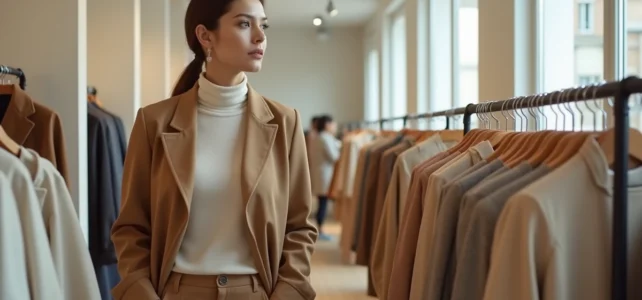
The spring-summer 2026 season reshapes the wardrobe with signals that are clearer than usual. Gone are the accumulations of micro-trends that are difficult to wear: the fashion shows and the first data from the ready-to-wear market point towards structured pieces, narrowed palettes, and a relationship with clothing that prioritizes durability of use. The European regulatory context, with the rise of textile EPR, also pushes brands to rethink their collections.
Structured bags and fur details: the pieces redefining the 2026 silhouette
The clearest trends of this season are not found in prints or oversized cuts. Recent analyses of the ready-to-wear market indicate a marked increase in structured bags, fur details, and stilettos as central pieces of the collections.
This shift towards a more sculpted wardrobe reflects a change in priorities. Silhouettes gain clarity, with controlled volumes rather than ample ones. Monochrome returns as a style reflex, not as an easy option: it serves to highlight the cut and material of a unique piece rather than drowning the whole look in a game of layering.
At the same time, bold patterns like large polka dots and plaid are establishing themselves, along with raw denim, which is regaining a prominent place after several seasons in retreat. These market choices, documented on specialized platforms like fashion-blog.fr, outline a summer where fashion asserts itself through identifiable pieces rather than hastily constructed looks.
Bohemian and futuristic mix: how to read the wearable style codes
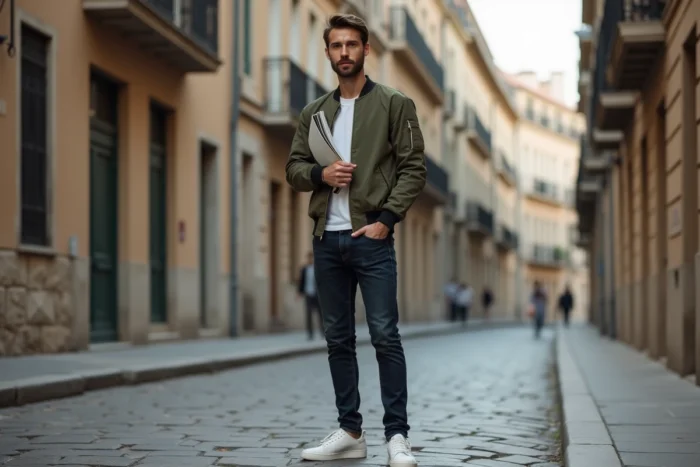
The 2026 market signals highlight an unexpected crossover between bohemian and futuristic styles. This combination, far from being a runway gimmick, responds to a growing demand for clothes designed to be worn daily rather than just seen on a podium.
Concretely, this translates into fluid materials paired with geometric cuts, artisanal embroidery on technical bases, or minimalist accessories worn with ethnic print dresses. Wearability becomes a full-fledged selection criterion.
This mix works because it allows for outfit variation without multiplying purchases. A futuristic-cut jacket worn over bohemian linen pants creates two different interpretations depending on the accessories. This modular approach to style stands out from previous seasons, where trends imposed more monolithic silhouettes.
The combinations that work this season
- A piece in raw denim (jacket or skirt) paired with a top featuring embroidered or textured details, for a material contrast that effortlessly anchors the silhouette
- Stilettos worn with wide trousers and an oversized shirt: the monochrome sculpted by the shoe is enough to structure the whole
- A structured bag as the focal point of a neutral-toned outfit, where the accessory does all the stylistic work
Circular fashion and textile EPR: the framework changing collections
Circular fashion enters a phase of maturity in 2026, and it is no longer a topic reserved for brand press releases. The European regulatory framework with textile EPR creates a more stringent environment that alters how collections are designed and distributed.
For consumers, this translates into concrete changes. Brands that integrate these constraints offer pieces with a lifespan considered from the design stage: reinforced seams, wash-resistant materials, timeless cuts rather than those based on a fleeting trend. Field reports vary on this point, as not all brands have yet adjusted their practices at the same pace.
Investing in durable and well-cut pieces is no longer just an ethical choice. It is also an economic calculation, in a context where the prices of new textiles are rising due to new regulatory obligations.
Building a distinctive style without following every fashion trend
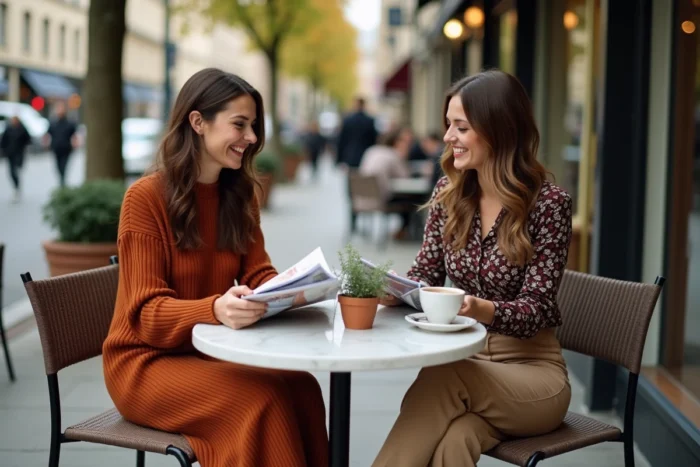
Having a unique style this season does not require chasing every new trend. The 2026 trends, precisely because they are more sculptural and distinctive, allow for selecting two or three strong pieces and building a coherent wardrobe around them.
The key decisions for an effective wardrobe
The logic of a capsule wardrobe, often mentioned but rarely applied, finds a favorable ground this season. With the return of monochrome, raw denim, and structured accessories, a few well-chosen pieces cover most situations.
- Favor a narrowed color palette (two to three tones maximum) that allows for interchanging tops and bottoms without thinking
- Choose a signature accessory (structured bag, defined belt, pair of stilettos) that gives a visual identity to each outfit
- Incorporate a single piece with a bold pattern (large polka dots, plaid) and wear it with neutral basics to avoid overload
- Check the quality of construction before purchase: regulations are pushing brands towards greater transparency regarding the durability of pieces
This approach reduces the number of necessary garments while multiplying the possibilities for combinations. It aligns with the underlying market trend that values less rigid and more personal style choices.
The spring-summer 2026 fashion trends share a common point: they reward precise choices rather than accumulation. A well-cut raw denim, a bag with a clean structure, a mastered palette. Distinctive style is built this season through subtraction, not addition.